When Should You Fertilize Your Lawn in Richmond Hill, Georgia?
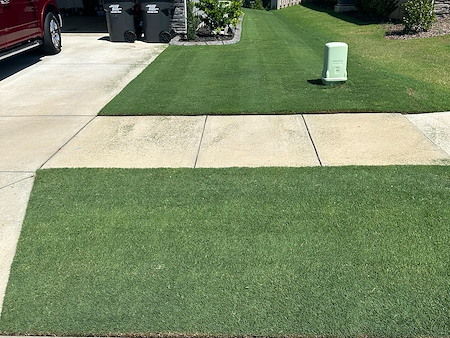
If you want a greener, thicker yard this year, timing is everything. The right lawn fertilization schedule Richmond Hill GA homeowners follow lines up with our coastal climate and the grass in your yard. Warm, humid summers, mild winters, and salty breezes near the islands all play a part. For a plan that fits your property, many homeowners start with a professional lawn fertilization program from Clydesdale Lawn Consulting LLC so each application is timed to real growth, not the calendar alone.
Your Lawn Fertilization Schedule in Richmond Hill, GA
Most Richmond Hill lawns are warm‑season grasses that wake up when soils warm in spring, then grow fast through summer. Feed while the grass is actively growing and able to use nutrients. Avoid heavy nitrogen late in fall when growth slows.
- Late March to April: First feeding after full green‑up and steady soil warmth.
- May to June: Second feeding to support rapid growth as temperatures rise.
- July: Mid‑summer feeding to maintain color and density during heat and foot traffic.
- Late August to early September: Light, balanced feeding to strengthen roots before fall stress.
- Late fall to winter: No nitrogen feedings while turf is dormant. Focus on soil health and planning.
Every lawn is different. Tree shade from live oaks in Ardsley Park or heavy rain near Wilmington and Skidaway Islands can shift the timing. That is why a soil‑first plan matters. For background on why testing guides timing and product choice, see why every lawn needs a soil test before fertilizing.
Best Time To Fertilize Centipede Grass in Richmond Hill
Centipede thrives in full sun across neighborhoods like Georgetown, Windsor Forest, Pooler, and Richmond Hill. It loves heat and responds well to regular feedings, which means you should time nutrients to growth surges instead of the date on the bag.
Wait for full green‑up before the first spring feeding. Feeding too early mainly helps spring weeds. After that, keep color and density steady with spaced feedings during the growing season.
- Initial feeding: Late March to April after the lawn has fully greened.
- Follow‑ups: Every 6 to 8 weeks through summer, easing to a lighter round by early September.
In high‑traffic yards or athletic spaces, Centipede may need closer spacing in midsummer. If weeds pressure the lawn, pair your feeding plan with targeted weed control so nutrients go to turf, not invaders.
Best Time To Fertilize St. Augustine Grass in Richmond Hill
St. Augustine is common near the coast and in shaded, humid areas. It likes steady feeding but does not need as much nitrogen as Centipede. Because St. Augustine spreads by stolons, timing feedings to promote healthy runners helps it knit together after stress.
Avoid early spring feedings before full green‑up. St. Augustine can surge with too much early nitrogen, then stall when heat and disease arrive. Go with balanced, slow‑release nutrition in warm months and reduce rates in late summer.
- Initial feeding: Mid to late April once fully green and growing.
- Follow‑ups: Early June and late July. Optional light feeding in late August if turf is healthy.
Shaded lawns under mature live oaks along the Southside or Isle of Hope often grow slower. In those yards, fewer, lighter feedings protect against surge growth and disease pressure.
Best Time To Fertilize Zoysia Grass in Richmond Hill
Zoysia offers fine texture and great summer color in Midtown, coffee‑colored soils, and new builds alike. It prefers moderate feeding and can thatch if pushed too hard.
Choose slow‑release nutrition and moderate rates. Zoysia rewards steady, measured feeding with strong color and fewer problems.
- Initial feeding: Late April to May when fully green.
- Follow‑ups: Late June and early August. Skip heavy late‑season nitrogen.
If your Zoysia has thatch or patchy spots after summer storms, ask Clydesdale Lawn Consulting LLC to tune the schedule and product mix so nutrients reach roots without pushing excess top growth.
Month‑By‑Month View For Richmond Hill Lawns
Here is how a typical warm‑season lawn in our area lines up across the year. Your exact plan may shift based on shade, soil, irrigation, and storm patterns.
- January to February: Turf is largely dormant. Plan your program and schedule soil testing.
- March: Watch for green‑up. Hold fertilizer until new growth is steady.
- April: First feeding once the lawn is fully green. Use balanced, slow‑release nutrients.
- May to June: Second feeding to carry strong growth and color into peak summer.
- July: Mid‑season feeding if color and density start to fade under heat and traffic.
- August to early September: Light feeding to improve stress tolerance as days shorten.
- Late September to December: Stop nitrogen. Focus on soil health and weed prevention planning.
Want your schedule checked against your exact grass type and soil? A tailored plan through our organic fertilization service aligns each visit with your lawn’s growth curve and microclimate.
Why Richmond Hill’s Coastal Weather Changes The Rules
Coastal Georgia lawns face salty breezes, sudden cloudbursts, and long, warm seasons. In Ardsley Park and Baldwin Park, big shade trees keep soil cooler longer in spring. On Wilmington and Skidaway Islands, sandy spots drain fast after storms. Both extremes change how fertilizer behaves.
Never fertilize dormant or semi‑dormant turf. Feeding while grass is asleep wastes material and can invite weeds. Instead, match nutrition to active growth and let soil testing set your nutrient targets for the season.
Weed cycles in Richmond Hill are also different. Warm soil arrives early, so weeds compete sooner. That is why many homeowners combine their feeding plan with pre‑emergent and spot cleanups so nutrients support turf instead of invaders. If you are sorting out the difference, this article explains it well for local yards: pre‑emergent vs. post‑emergent.
How Many Applications Per Year?
Most Centipede lawns in sunny areas do well with three to four well‑timed feedings. St. Augustine and Zoysia often thrive on two to three moderate rounds with slow‑release nitrogen. Heavy shade, limited irrigation, or thin soils may call for lighter rounds and wider spacing.
Less can be more with warm‑season turf. The goal is steady color and density, not quick bursts that burn out in July. That is why Clydesdale Lawn Consulting LLC builds programs around growth cues and soil data rather than a one‑size‑fits‑all calendar.
Signals Your Lawn Needs Feeding Versus Something Else
Yellowing and thin turf are not always a nutrition problem. In Richmond Hill, summer stress, salt spray, shade, or weeds can cause the same look. Before adding fertilizer, rule out other issues so you do not mask the real problem.
Common signs to share with your technician:
- Pale color with normal growth can point to iron needs rather than more nitrogen.
- Thin, patchy areas under live oaks may be shade stress, not a feeding miss.
- Sudden color loss after a storm can be leaching, which suggests slow‑release timing.
- Weedy flare‑ups after spring warmth mean nutrients are being stolen by pests, not turf.
When weeds are part of the picture, pairing your schedule with precision weed control protects your results and keeps nutrients focused where they matter most.
Set Your Richmond Hill Lawn Up For Success
If you want a simple, proven way to hit the right dates, start by anchoring your plan to soil results and full green‑up. You can always revisit the schedule after stretches of heavy rain, a heat wave, or vacation traffic in the yard. For a dependable baseline that matches local conditions, bookmark this lawn fertilization schedule for Richmond Hill, GA and let our team fine‑tune it for your grass type.
When you are ready, Clydesdale Lawn Consulting LLC can build a program that fits your yard’s shade, soil, and watering pattern. Our technicians time each visit for strong color, thicker density, and fewer weeds through the longest days of summer.
Ready For A Healthier Richmond Hill Lawn?
Let us map out a season that delivers steady green without the guesswork. Call 762-218-2067 to talk with a local specialist or schedule a visit. You can also start with our lawn fertilization service and add weed control or soil sampling as needed. We serve homeowners across Richmond Hill and nearby communities with programs designed for lasting results, not quick flashes of color.
Your lawn is an investment. With the right timing and products, it pays you back in curb appeal every month of the growing season.